Why Wetlands?
Dear Reader,
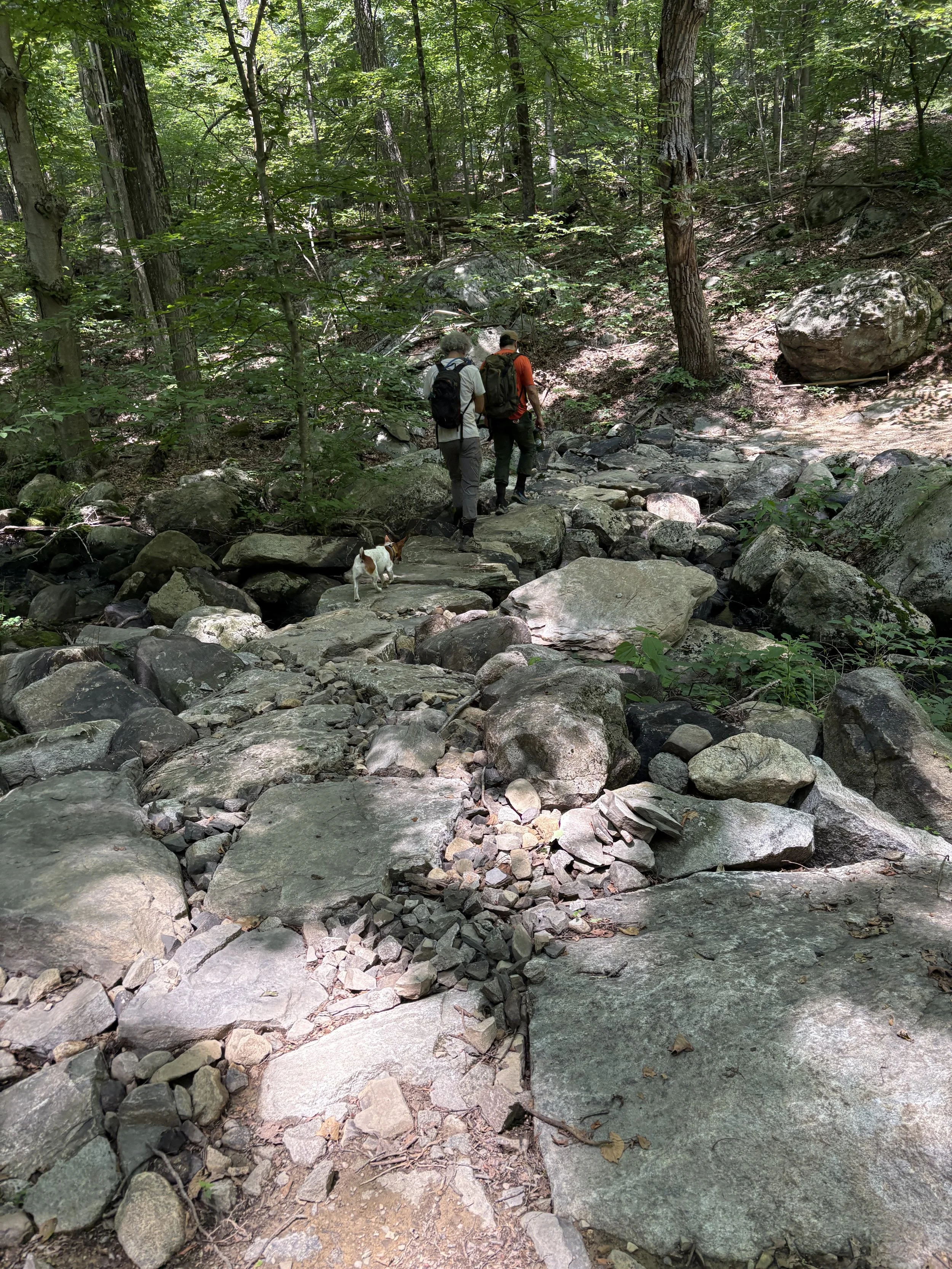
Unfortunately, the less-than-ideal weather forecast last week took its toll on our Get Stuff Done digging schedule. Rather than trailbuilding twice last week, we only went out once on Thursday. Still, this singular session was incredibly educational for me as my dad explained the process of trail approval during our hike together to the worksite. From protecting animal habitats to maintaining the flow of creekwater, it turns out that trail durability and rider enjoyment are not the only concerns when plotting out a multi-use path. The environmental and ecological impacts of the trail are heavily considered before we even begin building. This is especially the case on Redback South, which is built in close proximity to Spruce Swamp, an area designated officially as “freshwater wetlands” by the New York State Department of Environmental Conservation. The legal term “freshwater wetlands” applies to any freshwater swamp, marsh, bog, or fen greater than 5 hectares, and Spruce Swamp consists of approximately 15.85 hectares of swampland. As an avid appreciator of all things wetlands, I could not help but notice this beautiful mass from the side of the trail. I even took a few close-up pictures while appreciating its majesty on Thursday.
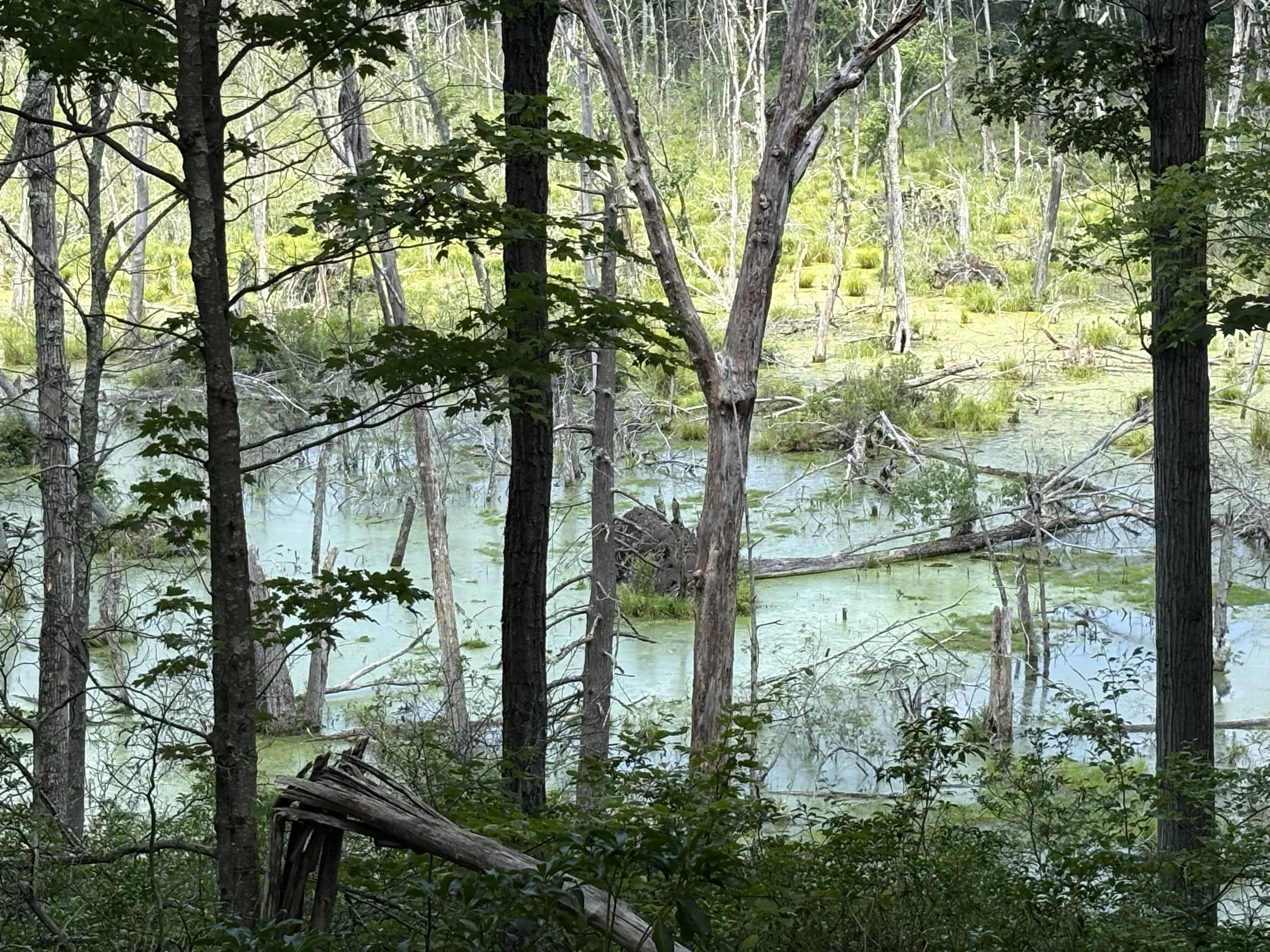
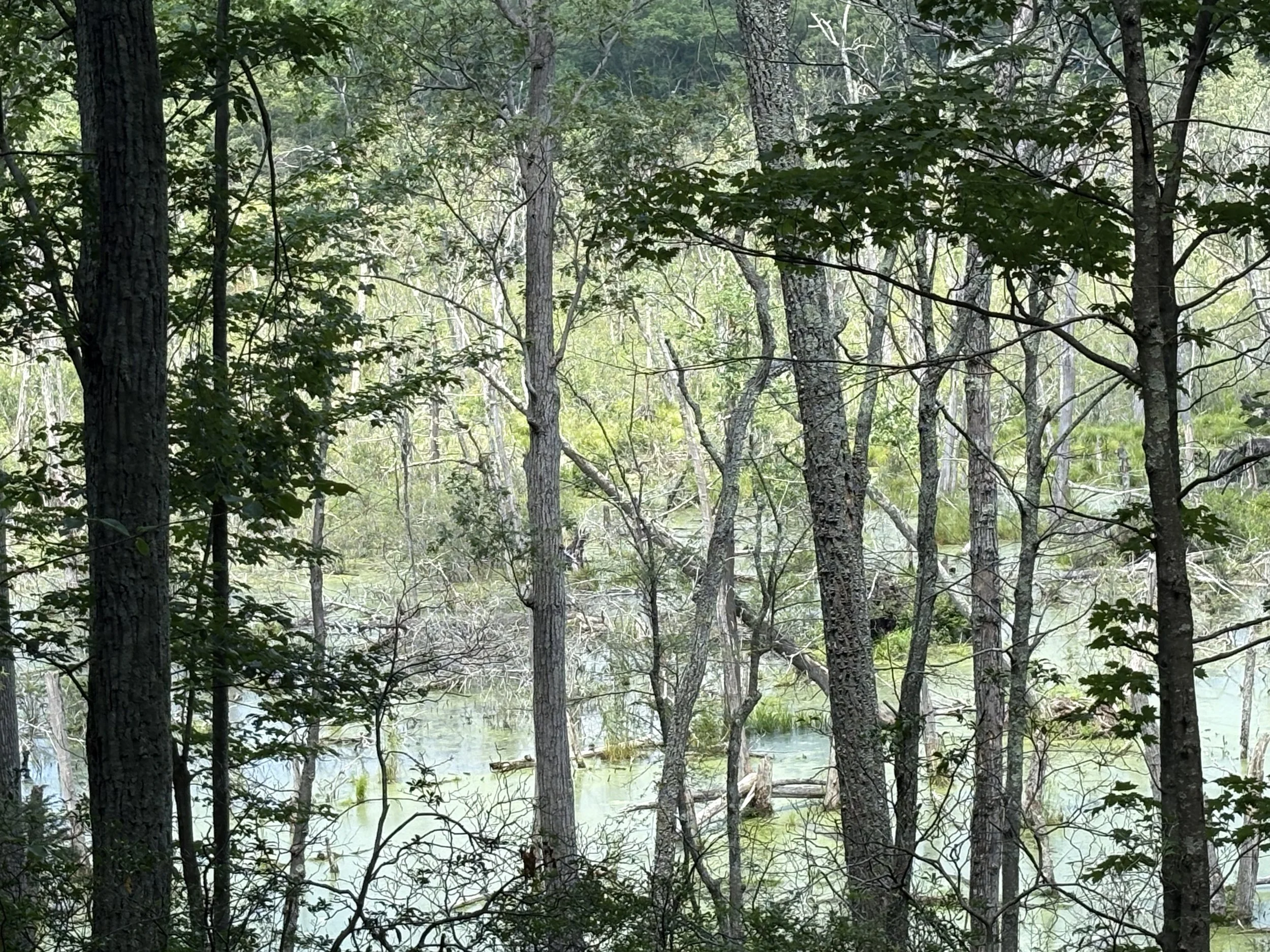
Now, you may look at these photos and think But Dani…that’s just a swamp. Checkmate, amateurs! You may be correct in that it is a swamp, but no need to belittle my beloved with your deceivingly diminutive addition of the word “just.” Wetlands tend to get a bad rep (please avoid using anti-wetlands language like the phrases “getting bogged down” in your everyday speech or “drain the swamp!” in your political messaging; it's actually quite rude), yet they are deeply important ecosystems. Not only do these geographic features harbor tons of biodiversity, flora and fauna just minding their own business as they deserve to, but on a more anthropocentric level, the preservation of wetlands is a key element to maintaining an environment that is conducive to human existence. For example, wetlands can help to filter out sediments and pollutants from both surface and groundwater, keeping local aquifers pure and healthy for human consumption. They can mitigate lakeside or oceanside erosion and soak up deadly floodwater and storm surges like sponges. Furthermore, in our rapidly changing climate, wetlands act as “carbon sinks”, sequestering excess carbon and thus, lessening the greenhouse effect.
As human beings, particularly powerful human beings, continue to encroach on wetlands and other landscapes that are crucial to our survival as a species, it is imperative that as an organization, PMTB be vigilant and mindful of our environmental impact. Understandably, the process for getting Redback South approved involved several walk-throughs with the land manager as well as a New York State biologist, and the design of the trail itself was crafted intentionally. For instance, the creek-crossings along the trail comply with regulations concerning water crossings near a protected wetland. In fact, instead of building the bridges out of wood or an outside material, most are made out of stones naturally found in the creek that have been re-arranged to create a passage for people (and animal friends) to walk or ride over. As outdoor enthusiasts, we endeavor to leave nothing behind except for footprints - or in the case of mountainbikers, tire tracks. Happy trails!
Best,
Dani G.